

America’s Nearly $1 Trillion Annual Interest
The U.S. now spends nearly $1 trillion a year on debt interest — a fiscal shift that is drawing more attention to gold and other hard assets.
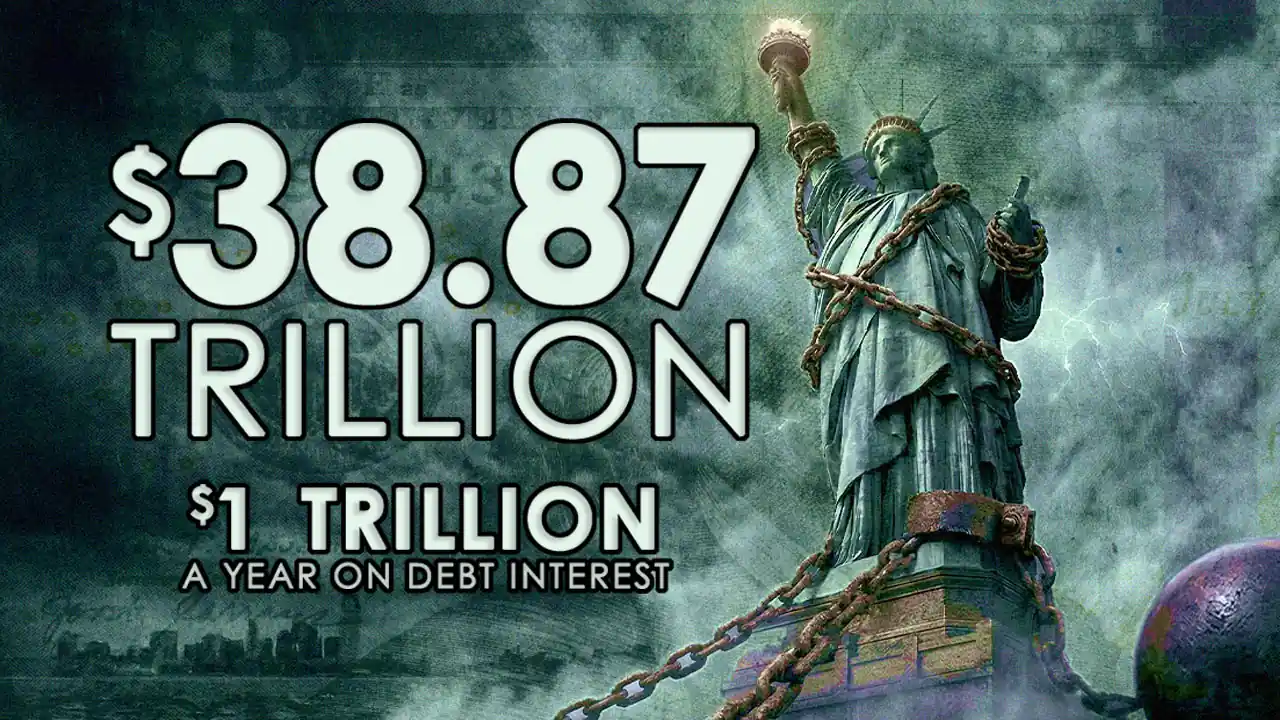
America’s debt story is no longer just about the headline number. It is also about what it costs to carry that debt. The United States is projected to spend $970 billion on net interest in fiscal year 2025, according to recent budget analysis based on the Congressional Budget Office outlook. That annual interest burden has nearly tripled since 2020 and now stands above major federal spending categories such as Medicaid and national defense.
Meanwhile, the national debt continues to climb. Treasury data showed total public debt outstanding at about $38.87 trillion on March 5, 2026, keeping the country on the doorstep of the $39 trillion mark.
For a country that debates budgets nonstop, this is a major fiscal shift. Debt surged after years of heavy borrowing, and interest rates later moved sharply higher from the near-zero environment that followed the pandemic. When a much larger debt load meets higher rates, the math becomes difficult very quickly. That is exactly what Washington is now facing.
As a share of the economy, net interest costs have risen from 1.6% of GDP in 2021 to a record 3.2% in 2025. That means more of the federal budget is being consumed not by new programs or services, but by the cost of financing past borrowing.
If the current baseline outlook holds, the burden gets heavier. The Congressional Budget Office projects that net interest costs will more than double again, rising from $970 billion in 2025 to $2.1 trillion by 2036. Between 2025 and 2036, debt held by the public is expected to grow by 86%, adding about $26 trillion, while the average interest rate paid on that debt rises by another 0.5 percentage points. Together, those forces push interest costs up by 121%.
The revenue picture makes the problem even clearer. By 2036, interest payments are projected to consume about one-quarter of all federal revenue, up from roughly one-fifth today and about one-tenth in 2021. In practical terms, that means one out of every four tax dollars collected would go toward servicing debt.
CRFB projects that rising interest costs will account for 28% of all nominal spending growth over the next decade. As a share of GDP, those interest costs would account for 120% of spending growth, meaning other priorities effectively shrink in relative terms just to make room for a growing interest tab.
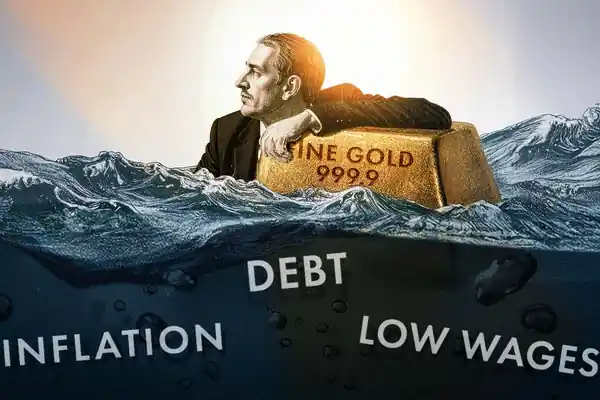
That backdrop is one reason many investors continue to watch gold closely. Gold remains elevated, though volatile. After trading above $5,100 an ounce earlier this month, spot gold was around $5,092.89 on March 9, while April futures traded near $5,101.00, as investors weighed safe-haven demand against a stronger U.S. dollar and higher rate expectations.
Major institutions remain constructive on the metal. Reuters reported that J.P. Morgan sees gold reaching $6,300 an ounce by the end of 2026, driven by continued demand from central banks and investors.
For long-term investors, the bigger issue is not just whether interest costs are high today. It is what those costs signal about the direction of U.S. fiscal policy, the durability of the dollar’s purchasing power, and the growing strain on the federal balance sheet. Until there is a credible plan to slow deficits and stabilize debt growth, many investors are likely to keep looking at gold as a form of insurance in an increasingly debt-heavy world.
Reagan Gold Group: Precious Metals Guidance You Can Understand
Reagan Gold Group provides education, transparency, and personalized guidance for individuals exploring physical gold and silver. Our team can explain direct ownership and Precious Metals IRA options and help clients understand the factors involved in owning tangible precious metals.
Speak with a Reagan Gold Group specialist to learn more and consider how physical precious metals may fit into a broader diversification strategy based on your individual goals and circumstances.