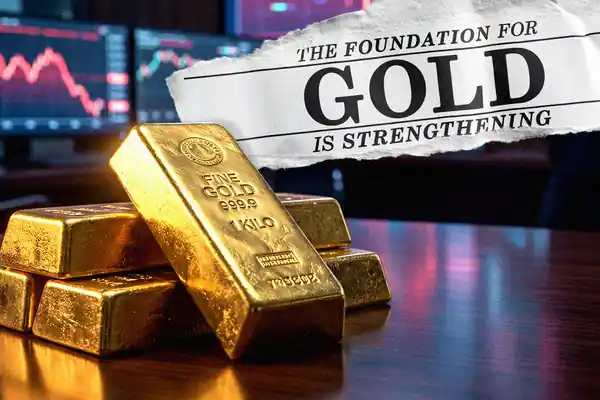
Central-bank demand, macroeconomic pressure, and long-term market trends continue to support a strong outlook for gold.
Rising debt, geopolitical risk, and policy uncertainty are creating new market pressures and strengthening the case for diversification.
Gold remains above $5,000 as investors await a key Federal Reserve meeting and watch interest-rate expectations closely.
Rising debt, geopolitical instability, and shifting financial power are fueling forecasts that gold could move substantially higher.
Energy shocks and geopolitical conflict are adding pressure to a fragile economy, strengthening the case for gold as a defensive asset.
Major banks still expect higher gold prices as geopolitical tension and macroeconomic uncertainty continue to support demand.
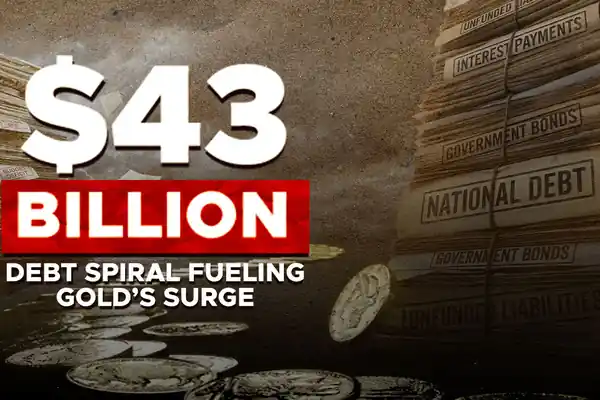
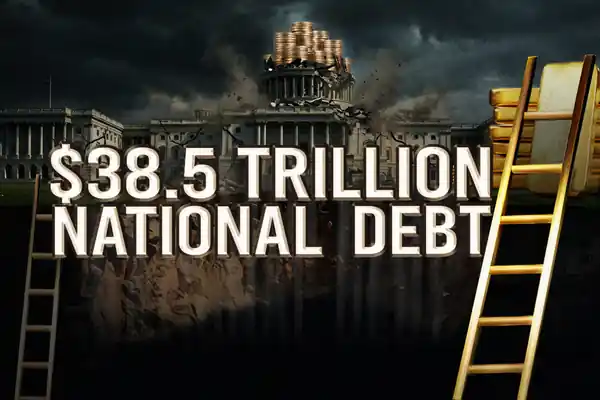
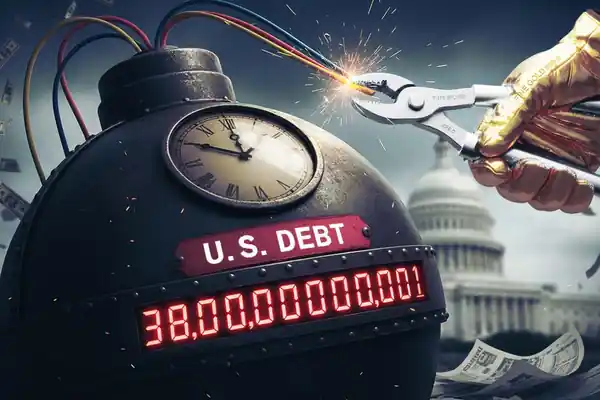
The U.S. now spends nearly $1 trillion a year on debt interest, drawing greater attention to gold and other tangible assets.
Escalating Middle East conflict and global uncertainty are driving renewed demand for physical gold as a traditional safe haven.
As market valuations stretch and Wall Street warnings grow louder, gold is approaching another historic price milestone.
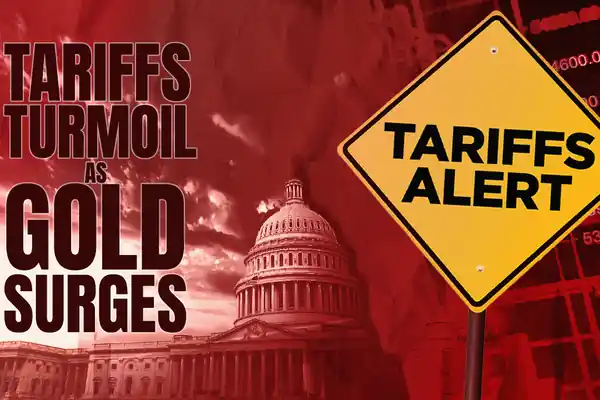
A major tariff ruling and geopolitical uncertainty pushed gold higher as investors reassessed trade policy and safe-haven demand.
As cryptocurrency moves deeper into regulation, gold’s strong performance highlights the enduring appeal of tangible assets.
Federal borrowing and rising interest costs are accelerating, pushing more investors to consider gold as a tangible store of value.
Investor David Einhorn points to central-bank gold buying as evidence of growing concern over debt, deficits, and monetary uncertainty.
Heavy insider selling and stretched stock valuations are reviving concerns about market risk and the need for broader diversification.
A veteran fund manager sees gold as undervalued as monetary policy, debt, and long-term financial risks continue to shift.
Bitcoin’s latest drop is forcing investors to reconsider what qualifies as a safe haven and how physical precious metals compare.
A quick rebound in gold and silver highlights the longer-term forces supporting precious metals despite short-term volatility.
A weaker dollar and rising fiscal pressure are driving more investors toward physical gold as a hedge against currency uncertainty.
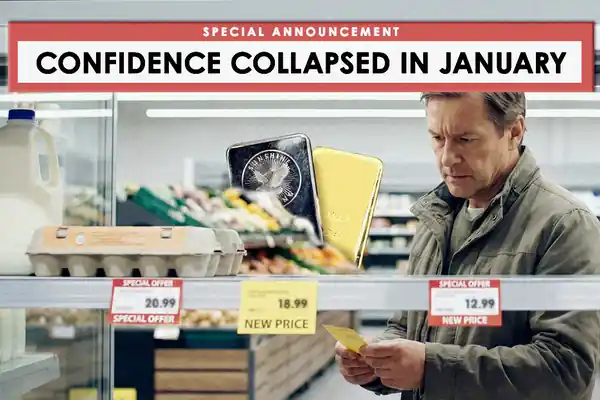
Falling consumer confidence is signaling growing financial stress as gold and silver continue to attract safe-haven demand.
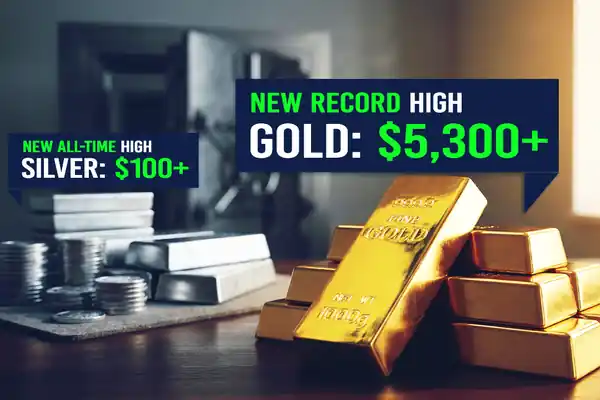
Gold and silver reached new milestones as investors responded to inflation, geopolitical risk, and rising demand for precious metals.
Silver crossed $100 an ounce amid strong safe-haven demand, industrial use, and growing concerns about global supply.
Tariff threats and geopolitical tension pushed gold and silver to record highs as investors sought protection from rising uncertainty.
Rising U.S. debt and accelerating interest costs are increasing fiscal pressure, while gold continues to respond to long-term risk.
Weak bank earnings and policy uncertainty are raising concerns about financial stress while gold and silver draw renewed attention.
Gold and silver opened 2026 strongly as geopolitical turmoil, debt concerns, and market uncertainty increased demand for hard assets.
China’s export controls and rising industrial demand are tightening silver supply and reshaping the global market for the metal.
After record years for gold and silver, investors are reconsidering how heavily their portfolios should depend on the stock market.
Long-term debt, currency, and supply trends are keeping gold and silver at the center of conversations about portfolio diversification.
A weak year for the U.S. dollar coincided with a historic gold rally, highlighting growing concerns about currency and monetary policy.
Tight supply and strong industrial demand are highlighting the difference between owning physical silver and holding mining stocks.
Gold’s long history, global recognition, and independence from any single currency continue to support its role as a core tangible asset.
Buying physical gold requires attention to quality, authenticity, pricing, and service—factors that one-click purchases may overlook.
The long-term value of a gold position depends on product quality, liquidity, and suitability—not simply the amount of metal owned.
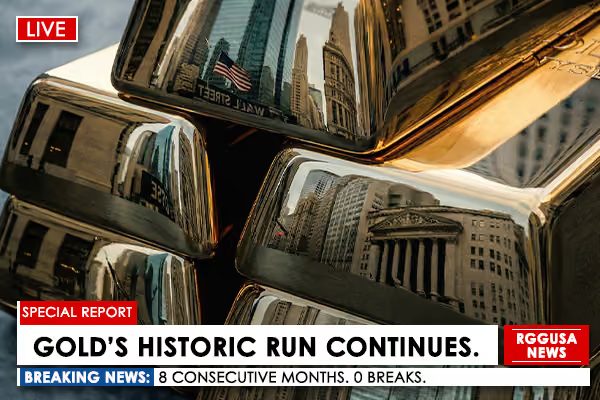
Gold’s powerful 2025 rally marked a major shift in investor demand and reinforced the metal’s role during periods of uncertainty.
The rise of digital currencies is changing how money works and raising new questions about privacy, stability, and physical gold.
Silver reached record highs as tight supply, industrial demand, and renewed investor interest continue to reshape the market.
Robert Kiyosaki is warning of a major market downturn while continuing to point to gold as protection against financial instability.
Housing affordability is delaying major life milestones for younger Americans and increasing demand for financial stability and flexibility.
Bitcoin’s sharp decline is renewing debate over volatility, risk, and why some investors continue to favor physical gold.
Veteran diplomat Richard Haass warns that rising U.S. debt is becoming a national security issue with long-term economic consequences.
UBS sees deeper weakness in the U.S. labor market as layoffs rise, hiring slows, and confidence in the job recovery fades.
Warnings from Wall Street about rising U.S. debt are adding urgency to concerns over deficits, interest costs, and long-term stability.
A prolonged Washington shutdown is straining households and confidence, renewing interest in tangible assets such as gold and silver.
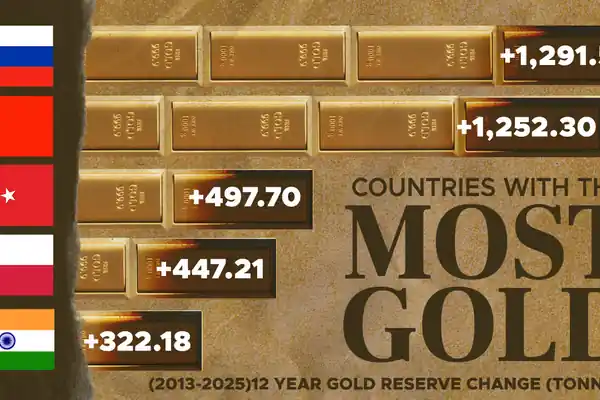
Central banks now hold more gold than Treasuries, highlighting a major shift toward physical gold as debt and currency risks grow.
Gold’s 2025 rally reflects strong fundamentals, including central-bank buying, a weaker dollar, and growing geopolitical uncertainty.
Some analysts see a path toward much higher gold prices as debt, central-bank demand, and currency concerns reshape the market.
A prolonged federal shutdown is weighing on confidence and economic data as gold approaches another major price milestone.
Today’s AI boom is drawing comparisons with the dot-com era, renewing questions about valuation risk and the role of physical gold.
Leading executives are voicing concerns about the U.S. economy, including rising costs, policy uncertainty, and weakening confidence.
Weakening hiring and fewer growing industries are raising recession concerns while gold continues to stand out as a defensive asset.
Legal challenges to sweeping tariffs could create billions in repayment obligations, adding another source of fiscal uncertainty.
Uncertainty around Social Security, Medicare, and federal finances is renewing interest in gold as a long-term store of value.
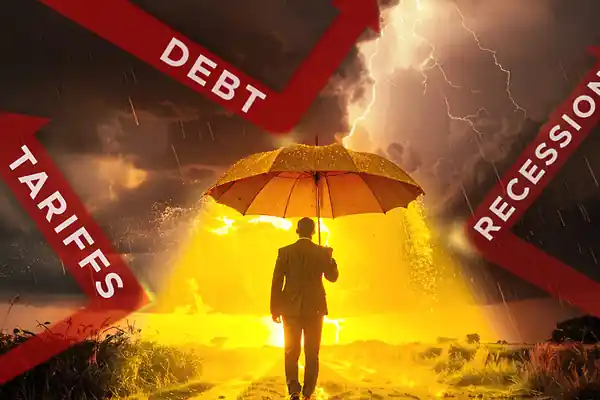
Falling confidence, rising debt, and recession concerns are strengthening gold’s appeal as a tangible asset during uncertain conditions.
A frozen housing and job market is limiting mobility while gold continues to offer liquidity, portability, and long-term financial flexibility.
Seasonal market weakness, soft jobs data, and economic warning signs are increasing concern about volatility heading into the fall.
Major institutions are raising gold forecasts as tariffs, slower growth, and global uncertainty strengthen demand for the metal.
Global debt above $315 trillion is increasing concerns about financial stability and sending more investors toward gold.
New federal spending and tax policy could add trillions to U.S. debt, increasing attention on gold as a tangible store of value.
High mortgage rates, inflation pressure, and weakness in housing are raising economic concerns while investors look to gold for stability.
Trade deadlines and the threat of higher tariffs are increasing uncertainty while demand for gold remains firm.
Tariff deadlines and a looming debt showdown are adding uncertainty to U.S. markets while gold continues to attract investor demand.
Middle East tensions and broader market uncertainty are sending investors toward gold as demand for traditional safe havens rises.
Headline job gains mask deeper weakness in part-time and unstable work, increasing interest in gold as a source of portfolio stability.
Trade uncertainty, tariffs, and softer consumer demand are pressuring the U.S. economy while gold continues to show resilience.
Escalating U.S.-China trade tensions, technology restrictions, and supply-chain pressure are reinforcing gold’s safe-haven appeal.
Trade-war fallout is raising concerns about inflation, slower growth, and unemployment while gold continues to attract defensive demand.
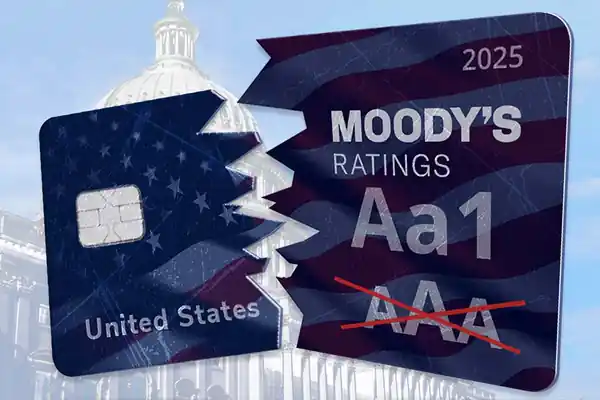
Moody’s downgrade of U.S. credit has renewed focus on deficits, interest costs, and the long-term strength of the nation’s finances.
Mounting debt, policy pressure, and weakening confidence are raising new questions about the U.S. dollar and the role of physical gold.
Cyber threats, AI scams, and growing dependence on digital finance are highlighting the appeal of tangible assets such as physical gold.
New tariffs are reducing imports and adding price pressure, increasing concerns about inflation, growth, and portfolio protection.
Concerns about fiat currencies and monetary stability are bringing renewed attention to physical gold as a long-term store of value.
Gold IRAs can help retirement savers diversify beyond traditional financial assets by holding eligible physical gold and silver.
Gold’s record-setting rise has lifted expectations for even higher prices as investors seek protection from economic uncertainty.
A changing economic and policy landscape is prompting retirees to consider how gold may fit into a diversified retirement strategy.
Ronald Reagan repeatedly spoke about sound money and the gold standard, reflecting his concerns about inflation and monetary stability.
Gold and silver can help retirement savers diversify against inflation, market volatility, and risks tied to traditional assets.
Six charts illustrate the dollar’s long-term decline and why central banks and investors continue to strengthen their positions in gold.
Learn how gold and silver can support retirement diversification by adding tangible assets alongside traditional investments.
An error has occurred somewhere and it is not possible to submit the form. Please try again later or contact us via email.
An error has occurred somewhere and it is not possible to submit the form. Please try again later.
Why to sign up for Gold News
Open
Sign up and stay up to date on the latest news and our commentary. You'll also be the first to know about our latest promotions and special offers.
Receive weekly gold news updates
Latest offers and promotions
Keep your precious metals plans top of mind