


Gold’s Defining Year
A rally unmatched since 1979 shows how sharply demand has shifted
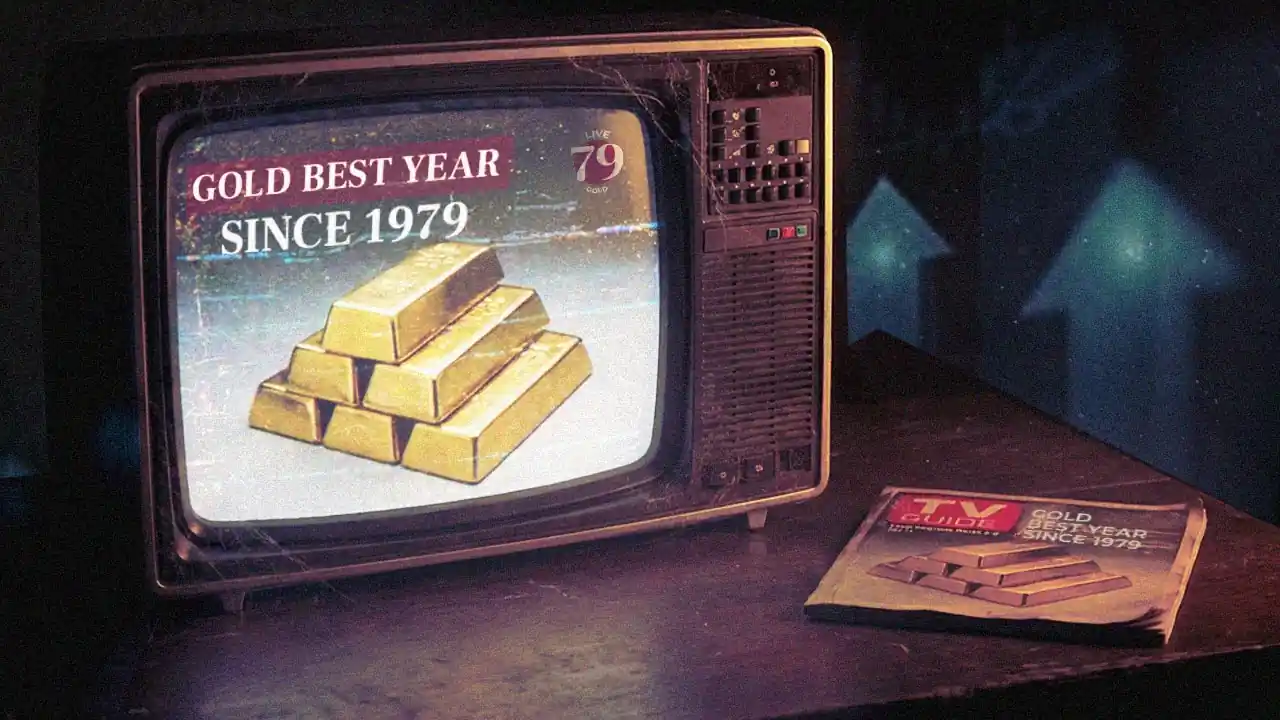
As we close out 2025, one fact stands above everything else in the markets. Gold is having its strongest year in almost half a century. The metal is up 58% this year and trades above $4,200 per ounce. The numbers leave no doubt. This rally is one of the strongest in modern history, underscoring the pressure building in the global economy.
The surge began early in the year as investors reacted to growing anxiety over the U.S. economy, tariffs and global conflicts. Gold moved past $4,000 per ounce for the first time in October and has more than held its ground ever since.
Another factor is the faltering U.S. dollar. The dollar has lost about 10% of its value this year. A weaker dollar creates pressure around the world because so much of the global financial system depends on it. Jose Rasco, chief investment officer at HSBC Americas, explained the shift. “Gold usually rises when the dollar is weak,” he said. He added that the uncertainty around policy pushed investors away from the dollar and into hard assets.
The pattern matches earlier periods of global stress. The last time gold delivered gains of this size was in 1979, during a period of high inflation and severe energy shocks. The current rally has now surpassed the strong reactions that followed the 2008 financial crisis, the September 11 attacks, and the pandemic. FactSet shows that gold is on track for its best year since that 1979 peak.
Analysts expect more ahead. Goldman Sachs predicts gold will reach $4,900 by the end of 2026. Daan Struyven, the bank’s co-head of commodities research, helped write the forecast. He told NPR that he sees “upside risk” even to that high target. The forces pushing gold higher have not eased. Some are gaining strength.
Inflation has stayed above the Federal Reserve’s 2% goal for more than four years. The United States has raised tariffs to the highest levels since the Great Depression. Japan has supported lower rates and higher borrowing. Many investors still lack clear economic data because of the month-long U.S. government shutdown last month. Kristalina Georgieva, managing director of the IMF, summed up the concern in a speech this fall. She said global resilience “has not yet been fully tested” and pointed to “surging global demand for gold.”
Central banks have played a major role in that demand. They are buying gold at one of the fastest paces in modern history. Their goal is simple. They want safety that does not rely on any one government. This trend accelerated after the United States and its
allies froze Russia’s foreign reserves. Countries began to question how secure their dollar holdings really were. Hedge fund billionaire Ken Griffin described the shift as “really concerning.” He told Bloomberg that investors are looking for ways to “de-dollarize” as they move toward assets outside the U.S. currency.
Investors want protection as the year ends. Gold has become the asset they trust most. The result is the strongest gold market in almost 50 years. And with demand rising across households, institutions, and central banks, there is no sign that the momentum is fading.

Reagan Gold Group: Precious Metals Guidance You Can Understand
Reagan Gold Group provides education and personalized guidance for individuals exploring physical gold and silver. Our team helps clients understand direct ownership and Precious Metals IRA options while considering how tangible assets may fit into a broader diversification strategy.
If current economic or market developments have you reviewing your approach, speak with a Reagan Gold Group specialist to learn more about physical precious metals and the factors to consider before making a decision.