


UBS Sees Trouble Brewing Beneath the Surface of the Job Market
The U.S. labor market, once the foundation of post-pandemic growth, is showing deeper fractures. In a new report, UBS economists led by Jonathan Pingle warned that layoffs are rising, hiring is fading and the job engine that has kept the recovery alive is beginning to fail.
The warning came as economists waited for federal data to resume after a 40-day government shutdown that left them “flying blind,” in the words of former Bureau of Labor Statistics commissioner Erica Groshen. UBS expects the delayed September jobs report and October inflation data to confirm that the slowdown is well underway.
Cracks Beneath the Surface
For much of the year, the U.S. was described as a “low-hire, low-fire” economy — but the “low-fire” part no longer holds. “There are plenty of available workers that, on the whole, businesses probably don’t feel the need to hold on to workers for longer than necessary,” Citigroup economist Veronica Clark told Bloomberg.
UBS cited multiple indicators now running above pre-pandemic levels: unemployment insurance claims, WARN notices and corporate layoff announcements. October alone saw 157,000 job cuts, according to Challenger, Gray & Christmas — the highest since July 2020. Through October, U.S. companies announced roughly 760,000 layoffs, exceeding every year since 2009. Major names like Amazon, UPS and Target have slashed tens of thousands of jobs.
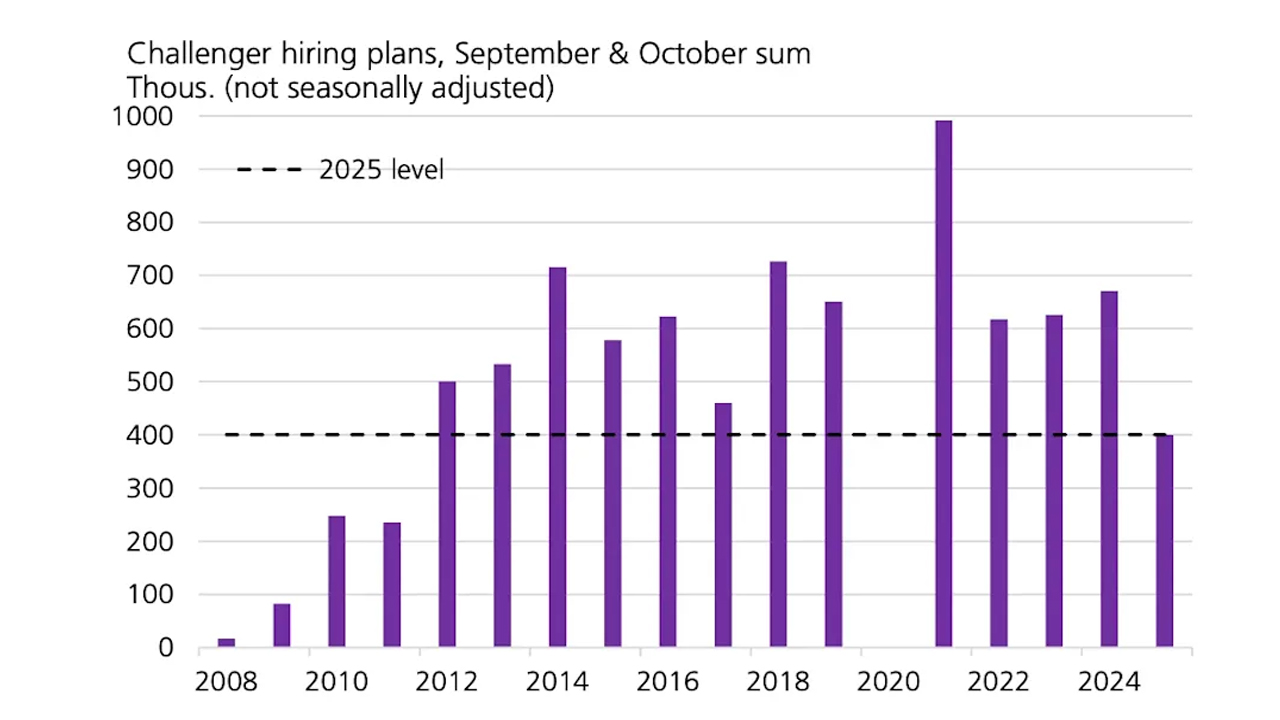
Figure 9: Hiring plans running behind 2023 and 2024
The “Bathtub” Economy
UBS likens today’s job market to a bathtub: layoffs are the drain, and hiring is the faucet. If inflows slow and outflows rise, total jobs inevitably fall. Private-sector payrolls outside health care have been shrinking by about 36,000 a month, while household employment has declined by 72,000 monthly through August.
That’s not enough to absorb population growth, and unemployment has reached its highest level since 2021. Labor force participation has slipped, with more than 800,000 people leaving the labor force since January but still saying they want a job.
Underemployment, measured by the U-6 rate, has climbed to 8.1%, the highest since the pandemic. “That is exactly the opposite of what should happen under a negative labor supply shock stemming from immigration,” UBS wrote, countering the argument that tighter immigration improves job prospects.
Holiday Hiring Slows, Confidence Falls
Seasonal hiring offers more evidence of cooling. Retailers announced just 400,000 holiday jobs this fall — far below the pre-pandemic norm of about 625,000 and down nearly 40% from last year. The University of Michigan’s consumer sentiment index fell to 50.3 in November, barely above its record low in 2022. More Americans now expect unemployment to rise than at any time since the 1980s.
Fed Faces a Tightrope
With job losses rising and hiring slipping, the Federal Reserve is under new pressure. Some officials now argue that protecting employment should outweigh concerns about inflation. “The labor market can deteriorate very quickly,” one Fed governor said recently, urging flexibility in policy decisions.
UBS’s bottom line is grim: the U.S. job market could soon tip into contraction. “If a bathtub is draining faster and faster while the faucet isn’t changed,” Pingle’s team warned, “eventually the water level is going to start to drop. That is a material risk to the outlook.”

Reagan Gold Group: Precious Metals Guidance You Can Understand
Reagan Gold Group provides education and personalized guidance for individuals exploring physical gold and silver. Our team helps clients understand direct ownership and Precious Metals IRA options while considering how tangible assets may fit into a broader diversification strategy.
If current economic or market developments have you reviewing your approach, speak with a Reagan Gold Group specialist to learn more about physical precious metals and the factors to consider before making a decision.