


Why Gold’s Long-Term Outlook Remains Strong Despite Shifting Markets
Analysts stay bullish on gold as long-term demand, central bank buying, and macro pressures continue to build
Gold’s story right now isn’t about short-term moves. It’s about what’s happening underneath the surface.
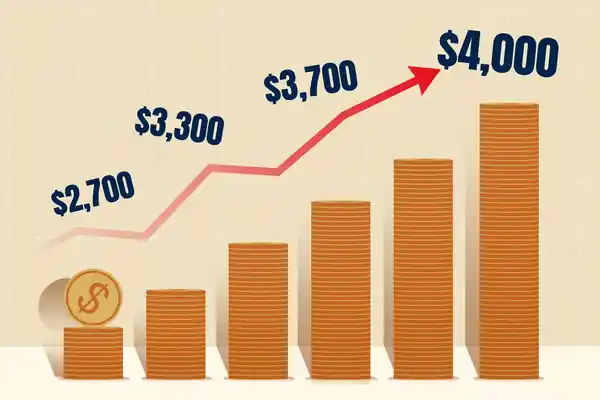
Even as markets shift and investor sentiment changes, major institutions are still pointing to a strong long-term case for gold. Some analysts are projecting prices could reach as high as $6,200 in the near term, with even more upside over the next several years.
That kind of confidence comes down to a few core factors that haven’t gone away.
First is central bank demand. Around the world, central banks continue to add gold to their reserves. This isn’t a reaction to one event. It’s a broader move away from reliance on traditional currencies, especially the U.S. dollar. When central banks buy gold at this pace, it tends to set a floor under the market.
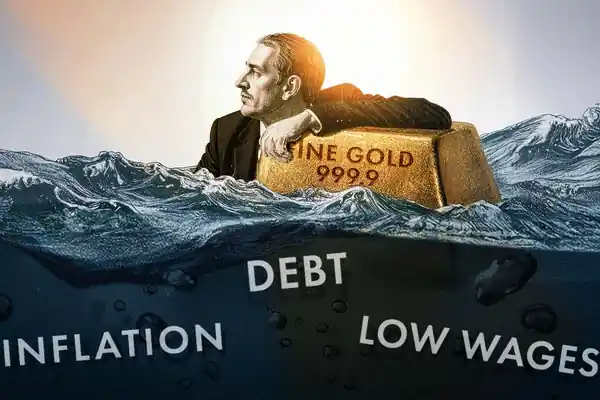
Second is the macro backdrop. Global debt remains elevated, and government spending continues at a high level. That combination has historically supported gold, particularly when investors start looking for ways to preserve purchasing power over time.
Then there’s interest rates and the dollar.
Gold tends to perform well when real interest rates come down and the dollar weakens. Many analysts expect that kind of environment to develop as central banks eventually shift policy to support slowing economic growth. When that happens, gold typically benefits.
At the same time, demand isn’t just coming from institutions.
Investor interest has remained steady, and in some areas it’s growing. In Asia, rising incomes are continuing to support long-term demand for gold, both as an investment and as a store of wealth. That kind of steady, structural demand matters more than short-term flows.
Supply is the other side of the equation, and it’s just as important.
Gold production isn’t expanding quickly. Many mines are nearing the end of their life cycles, and bringing new supply online takes years. That creates a tighter market over time, especially as demand continues to build.
Put it all together, and the picture becomes clearer.
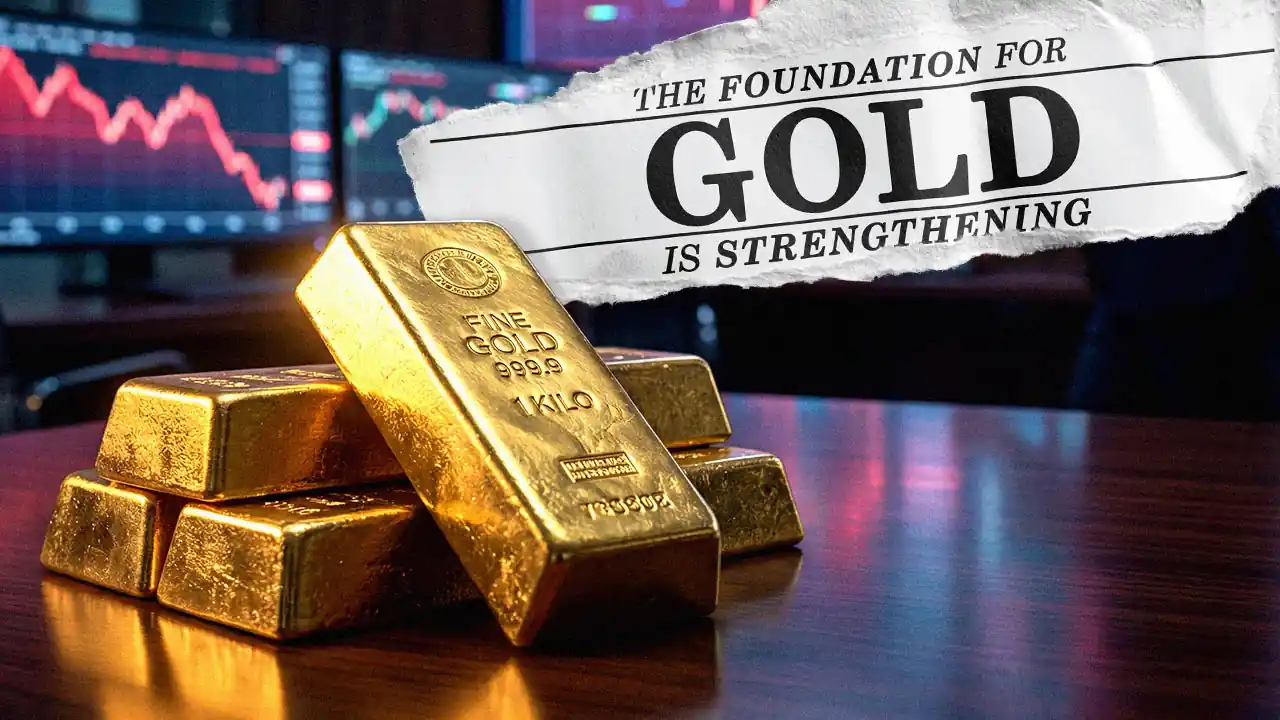
Gold isn’t being driven by one headline or one event. It’s being supported by a combination of factors that tend to play out over years, not weeks. That’s why long-term forecasts remain elevated, even when markets move in the short term.
For investors, the distinction that matters most is how they gain exposure.
Gold stocks and other paper assets can still be tied to broader market performance. Physical gold, on the other hand, operates differently. It’s a tangible asset that isn’t dependent on corporate performance or market conditions in the same way.
That’s why many investors continue to view physical gold as a form of financial insurance rather than just another investment.
As the global financial system continues to evolve, that role becomes more important.
Because at its core, gold isn’t about chasing returns. It’s about protecting what you’ve built.

Reagan Gold Group: Precious Metals Guidance You Can Understand
Reagan Gold Group provides education and personalized guidance for individuals exploring physical gold and silver. Our team helps clients understand direct ownership and Precious Metals IRA options while considering how tangible assets may fit into a broader diversification strategy.
If current economic or market developments have you reviewing your approach, speak with a Reagan Gold Group specialist to learn more about physical precious metals and the factors to consider before making a decision.